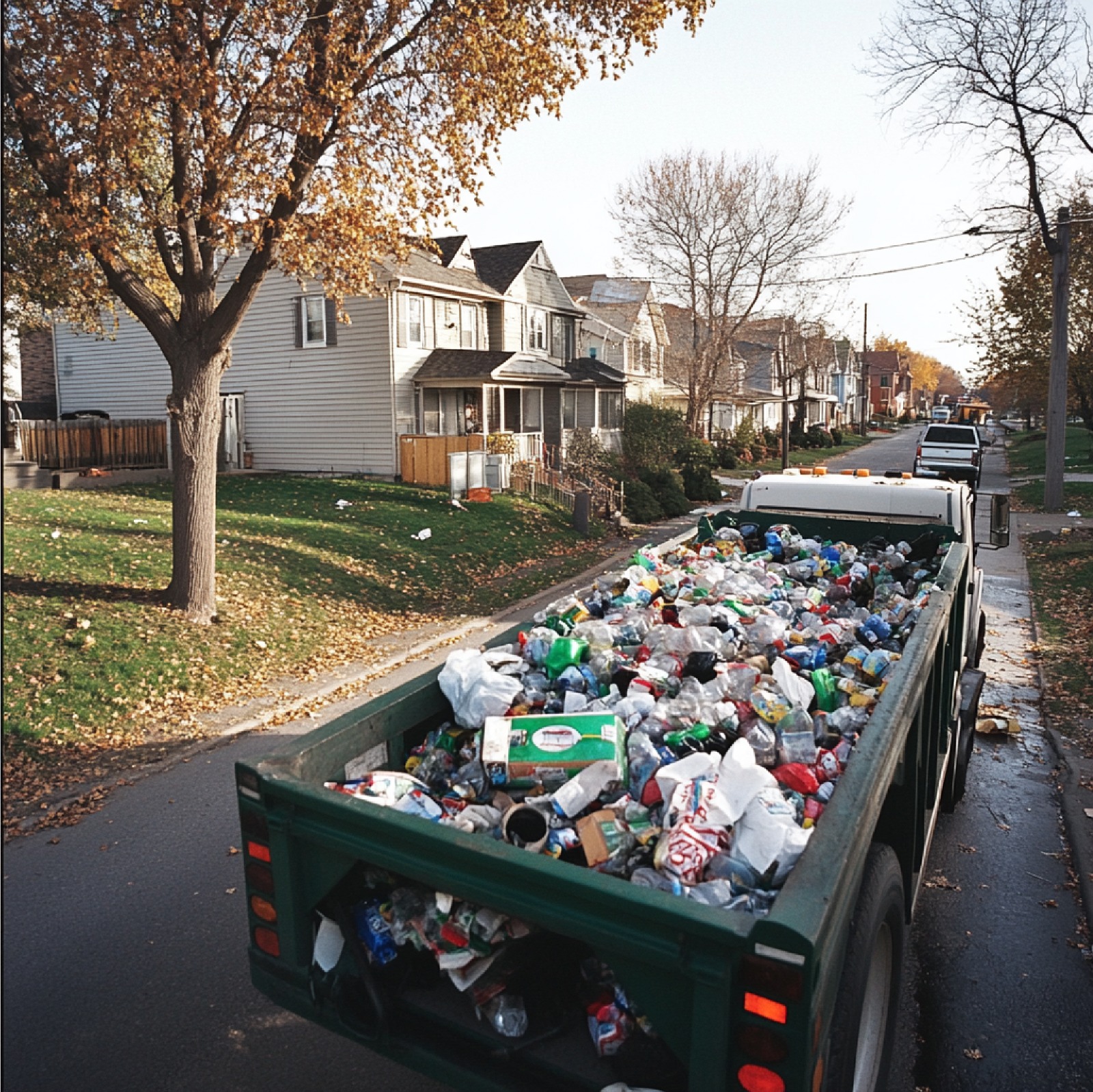
Effective waste management is a fundamental component of sustainable urban development, yet it remains one of the most pressing environmental challenges facing Pakistan’s cities. Rapid urbanization, population growth, changing consumption patterns, and limited waste management infrastructure have resulted in increasing volumes of municipal solid waste that often exceed the capacity of local authorities to collect, process, and dispose of it safely. As a result, large quantities of waste are dumped in open spaces, burned, or disposed of in unmanaged landfills, creating significant environmental, public health, and economic consequences.
Poor waste management contributes to air, soil, and water pollution, increases greenhouse gas emissions, and exacerbates urban flooding by clogging drainage systems. Open burning of waste releases harmful pollutants that degrade air quality and pose serious health risks, while unmanaged dumpsites contaminate surrounding ecosystems and groundwater resources. At the same time, inadequate waste services disproportionately affect low-income communities, where exposure to environmental hazards is often highest.
Despite these challenges, Pakistan’s waste sector presents significant opportunities for innovation, job creation, resource recovery, and climate action. A substantial portion of municipal waste consists of recyclable materials and organic waste that can be diverted from disposal through recycling, composting, and resource recovery systems. The country’s informal recycling sector already plays a vital role in recovering valuable materials and supporting livelihoods, though much of this activity remains outside formal regulatory and planning frameworks. Increasing attention is also being given to integrated waste management approaches, including material recovery facilities, composting systems, circular economy initiatives, and waste-to-energy solutions that can simultaneously reduce waste volumes and generate economic value.
Policy momentum is gradually building. Waste management has been identified as a priority area within Pakistan’s climate and sustainability agenda, while several cities have begun piloting modern waste collection, segregation, recycling, and resource recovery models. Development partners, municipal authorities, and private sector actors are increasingly exploring innovative approaches to improve service delivery and infrastructure investment.
However, significant challenges remain, including fragmented institutional responsibilities, limited financing, inadequate infrastructure, and weak enforcement of environmental regulations. Moving toward sustainable waste management will require integrated planning, stronger policy frameworks, improved data systems, and greater private sector participation.