An integrated Low-Carbon Transformation Program that drives industrial decarbonization in Pakistan by combining renewable energy integration, circular production via alternative fuels, and low-emission product innovation
The Context
The cement industry is traditionally highly energy-intensive and heavily reliant on fossil fuels like imported coal, leading to high operational costs and significant greenhouse gas emissions. To build a greener industrial future, there is a critical need to transition toward renewable energy, reduce reliance on imported fuels, and lower the carbon footprint while promoting local economic resilience
The Approach
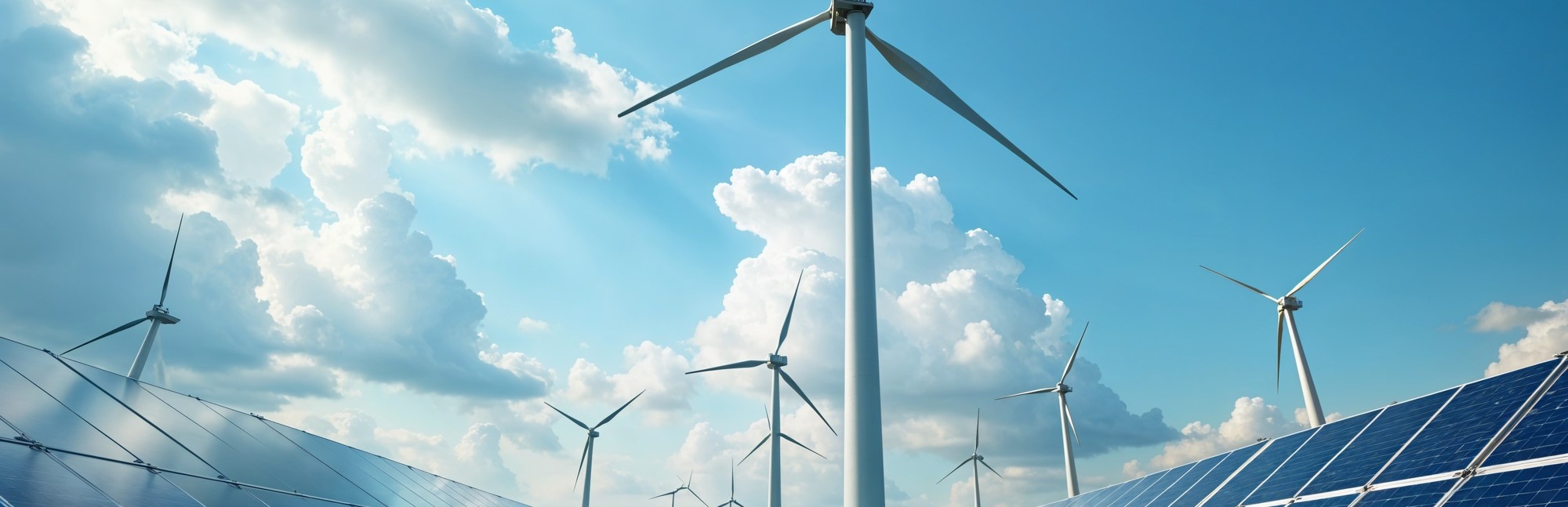
Power Cement implemented a multi-faceted decarbonization strategy. They invested in renewable energy infrastructure, including an 8-9 MW Waste Heat Recovery System, a 7 MW solar plant, and an upcoming 7.5 MW wind turbine. Through their Alternative Fuel Program (AFP), they replaced imported coal with locally sourced biomass residues like rice husk, wheat straw, and cow dung. Additionally, they pioneered Composite Cement production, successfully lowering the clinker factor from 90% to 72%
Results & Impact
Socially, the program has empowered over 550 rural workers through biomass sourcing, providing income stability, improving livelihoods, and reducing agricultural waste burning. Environmentally, the AFP alone reduced over 88,000 tons of CO₂ emissions, while the solar plant has generated over 30 million kWh of clean energy. Economically, the company saved USD 4.5 million in import costs by replacing 74,680 tons of coal with local biomass, stabilized energy expenses, and optimized power consumption through Variable Frequency Drive (VFD) installations
 |
 |
 |
 |
 |
Insights & Replication Potential
Recognized in World Cement Magazine as a benchmark for low-carbon manufacturing in emerging economies, the initiative proves that sustainability can be a foundation for heavy industry. With the goal of reaching 51% renewable power by 2026, Power Cement’s model provides a highly scalable blueprint for decarbonization, energy efficiency, and community resilience that can be replicated across the sector