An innovative water purification solution based on advanced nanotechnology that delivers RO-quality water at a fraction of the cost, ensuring long-term social, environmental, and economic benefits for communities most vulnerable to climate change and water insecurity.
The Context
Access to clean and safe drinking water is one of Pakistan’s biggest sustainability challenges, with over 70% of the population relying on unsafe sources. Traditional solutions like Reverse Osmosis (RO) are expensive, energy-intensive, and inaccessible to rural and low-income communities. Furthermore, reliance on bottled water increases plastic pollution and carbon footprints, exacerbating environmental harm.
The Approach
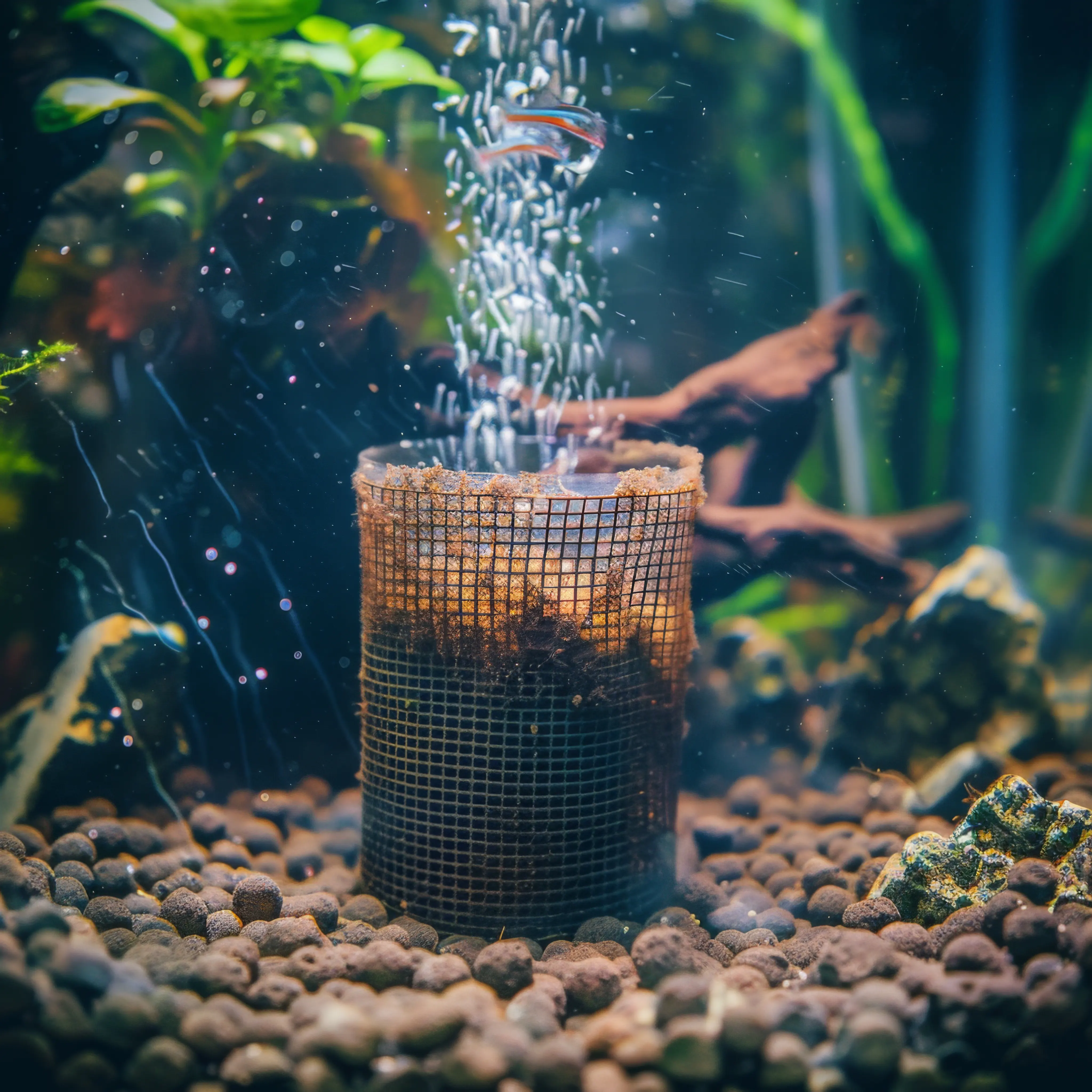
NanoDrop addresses this gap with nanotechnology-based filters that operate without electricity to remove harmful contaminants such as heavy metals, microplastics, and bacteria. The system is reusable, portable, and maintenance-free for up to one year, making it highly suitable for households, schools, disaster relief, and water-scarce communities. They actively work with NGOs, schools, and local distributors to expand outreach in regions like Thar, Badin, and Balochistan.
Results & Impact
Socially, NanoDrop improves community health by reducing waterborne diseases, saves families time, and empowers women and children who often spend hours collecting water. Environmentally, it reduces plastic waste and carbon emissions by replacing bottled water and energy-intensive RO systems. Economically, it saves household expenses on water and medical bills, while creating green jobs for local youth as distributors and micro-entrepreneurs in rural areas.
 |
 |
 |
 |
 |
Insights & Replication Potential
NanoDrop has already reached hundreds of households and aims to expand to 10,000 households within the next year across Sindh, Punjab, and Balochistan. Families save up to 90% on water purification costs while avoiding health-related expenses, and each household prevents hundreds of plastic bottles from polluting the environment annually. This model demonstrates strong global replication potential in other water-scarce countries of the Global South.