A climate fintech platform enabling everyday investors to co-own real renewable energy projects and green-powered AI infrastructure from $100 with automated monthly yield.
The Context
Pakistan faces a $40B annual clean energy financing gap, even as renewable capacity posts 68% CAGR growth. The contradiction is structural: world-class wind and solar resources are underutilized because capital flows remain constrained by legacy financing.
Institutional investors demand $100,000 minimum tickets, multi-decade lock-ups, and opaque vehicles excluding 50M middle-class savers whose collective deposits could fund much of the transition. Simultaneously, $31B in yearly diaspora remittances enters Pakistan with no regulated channel into clean energy. The result: underfunded projects, 77M+ Pakistanis lacking reliable electricity, and stubbornly high carbon intensity in a climate-vulnerable nation responsible for <1% of global emissions.
Traditional infrastructure deals lock out retail investors, stalling solar, wind, and storage deployment. This perpetuates fossil fuel dependence and hinders climate and economic targets. Greenova8 directly addresses this finance bottleneck enabling retail participation in climate infrastructure through blockchain-based tokenization and democratized project access.
The Approach
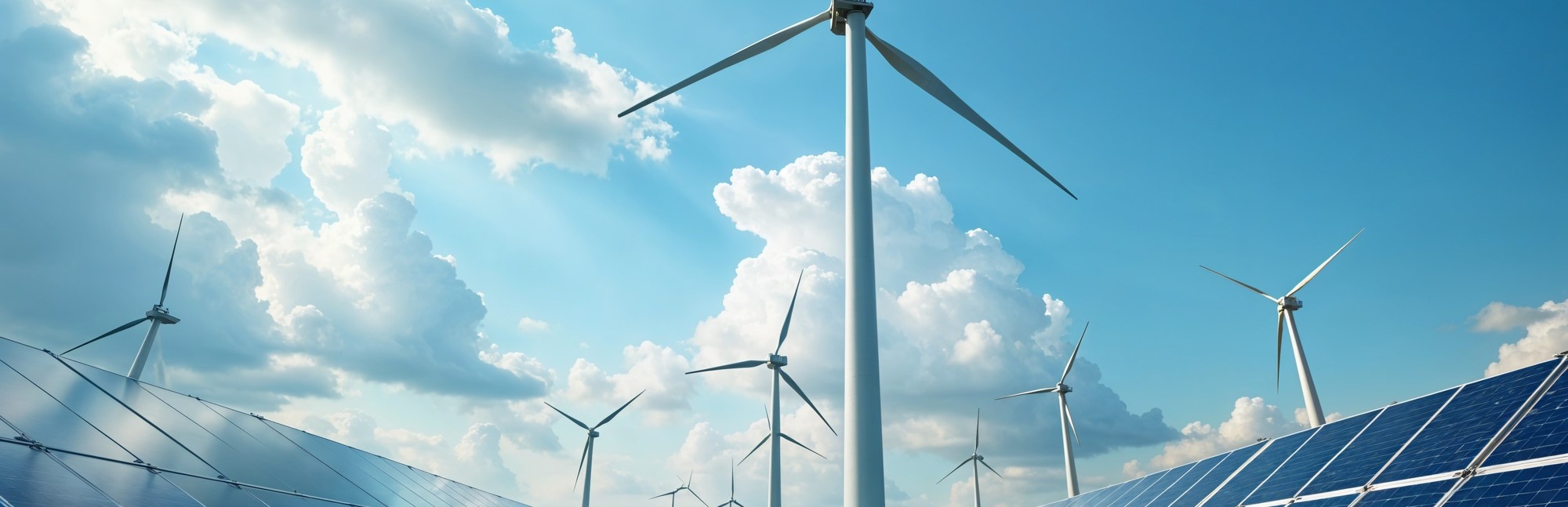
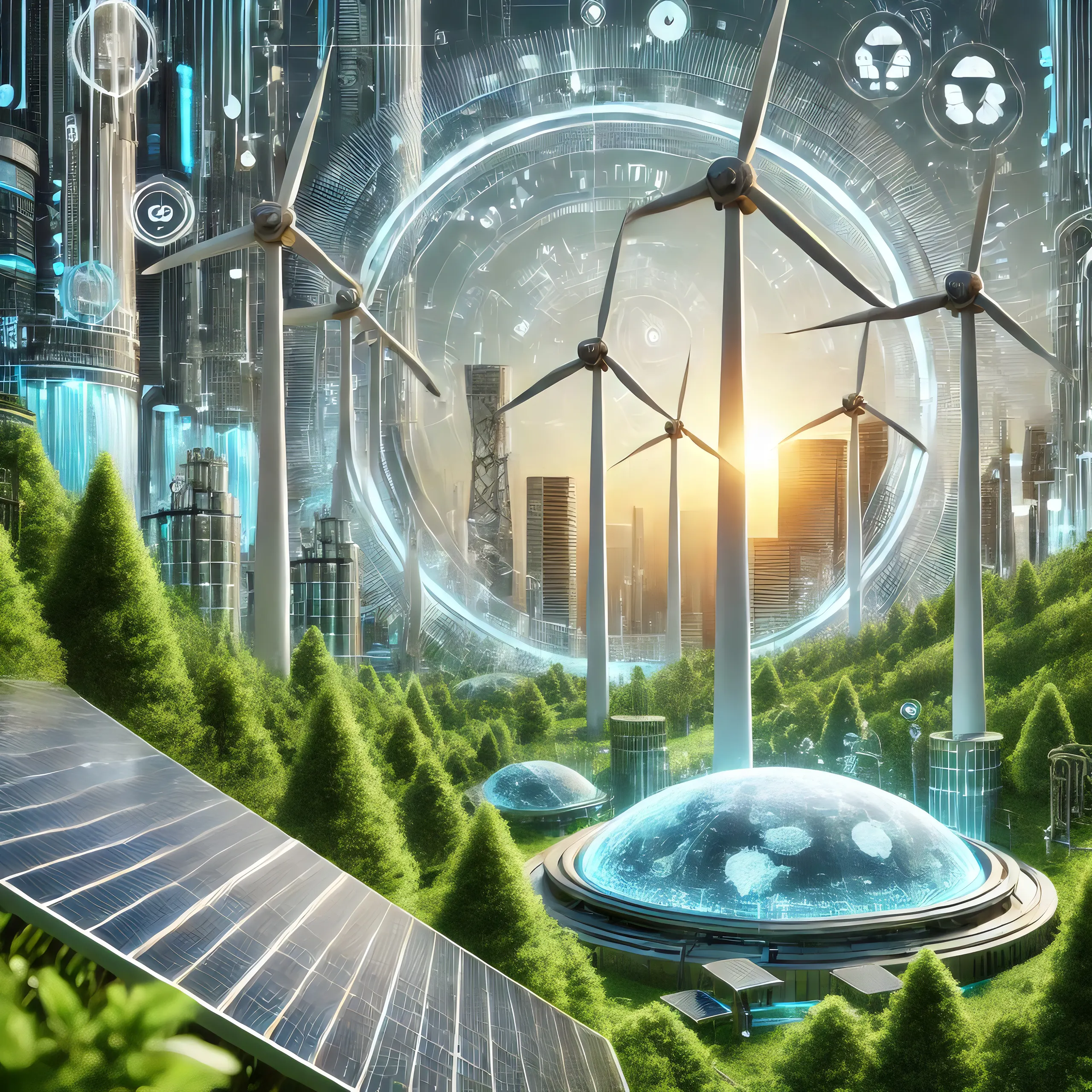
Greenova8 uses blockchain to fractionalize ownership of real renewable energy assets (solar, wind, battery storage) and renewable-powered data centers. The platform allows fractional ownership, turning large infrastructure projects into accessible digital assets for retail investors.
Investors simply browse verified projects showing transparent metrics (projected IRR, CO2 offset, energy output), invest from as little as $100, and receive automated monthly payouts via smart contracts. Each token represents proportional legal ownership of the physical asset.
Greenova8 addresses the clean energy financing gap through a three-layer architecture that connects retail capital directly to real physical infrastructure.
The asset layer: we source, audit, and verify renewable energy projects through a rigorous due diligence process. Every project undergoes GIS satellite verification of physical location, independent technical audit, NEPRA grid connection confirmation, and land title verification before listing. Projects currently in pipeline include solar farms in Lahore and Sindh, wind projects on the Sindh coast, and green AI data centres running on verified renewable power.
The tokenization layer: each verified asset is divided into ERC-1400 security tokens legally enforceable fractional ownership instruments with hard-coded KYC whitelisting, jurisdiction-specific transfer restrictions, and investor protection built directly into the smart contract code. It is a regulated financial instrument representing real asset ownership.
The distribution layer: IoT sensors on every physical asset transmit energy production data every 15 minutes to Chainlink blockchain oracles. The oracle cross-validates readings against satellite weather data before committing them on-chain making performance fraud structurally impossible. Smart contracts automatically calculate each investor's pro-rata yield and distribute USDC stablecoin to their wallet on the first of every month, with zero human involvement and complete audit trail.
The platform operates within Pakistan's PVARA/SECP/SBP regulatory sandbox framework, ensuring compliance with national securities law while pioneering the regulatory pathway for tokenized clean energy securities in Pakistan.
Results & Impact
Greenova8 has launched its MVP with 35 active users and over 120 waitlisted investors. The platform is ready for first project tokenization in Q2 2026.
Current results (pre-revenue, platform in development):
Social impact: every tokenized project creates verified employment in construction, operations, and maintenance in the communities hosting the infrastructure. Carbon credit monetisation from tokenized assets creates additional revenue streams supporting project viability in underserved regions. Long-term, Greenova8 aims to enable 10 million people to co-own over 100 GW of clean energy infrastructure, creating a new asset class that aligns attractive returns with deep climate impact.
 |
.png) |
 |
 |
 |
 |
Insights & Replication Potential
The biggest lesson is that technology (blockchain) can lower barriers in climate finance, but success depends on strong regulatory navigation, trusted local developer partnerships, and obsessive simplicity for retail users. Transparent metrics and automated payouts have been key to building early trust.
What worked: leading with regulatory engagement before product launch. Entering the PVARA/SECP sandbox early meant the regulator became a collaborator rather than a gatekeeper. This approach compressed years of potential adversarial compliance navigation into months of constructive dialogue.
What worked: the IoT verification architecture. Pakistani investors are deeply sceptical of yield claims after decades of pyramid scheme exposure. Making performance verification cryptographically impossible to falsify was not a technical nice-to-have; it was the fundamental trust mechanism that made waitlist growth possible without paid marketing.
Challenges included lengthy regulatory approvals and investor education around tokenized real assets. Furthermore, the absence of a prior precedent in Pakistan for tokenized securities meant every regulatory question required fresh analysis. There is no playbook. Each jurisdiction-specific compliance decision required original legal work.
The model is replicable in any emerging market with three characteristics: meaningful renewable energy resources, a retail investor base earning below-inflation returns on savings, and a regulatory body willing to engage with sandbox frameworks. South Asia, Africa, and Latin America all meet these criteria. The Greenova8 technical architecture is designed to be modular; any jurisdiction can adopt it by plugging in local regulatory parameters at the smart contract level. Moreover, the model applies equally to hydropower, battery storage assets, biogas, green hydrogen, EV infrastructure, and sustainable agriculture. The platform's next asset class green AI data centres demonstrates that the infrastructure need not be limited to traditional renewables. Any income-generating infrastructure asset can be tokenized through the same architecture.