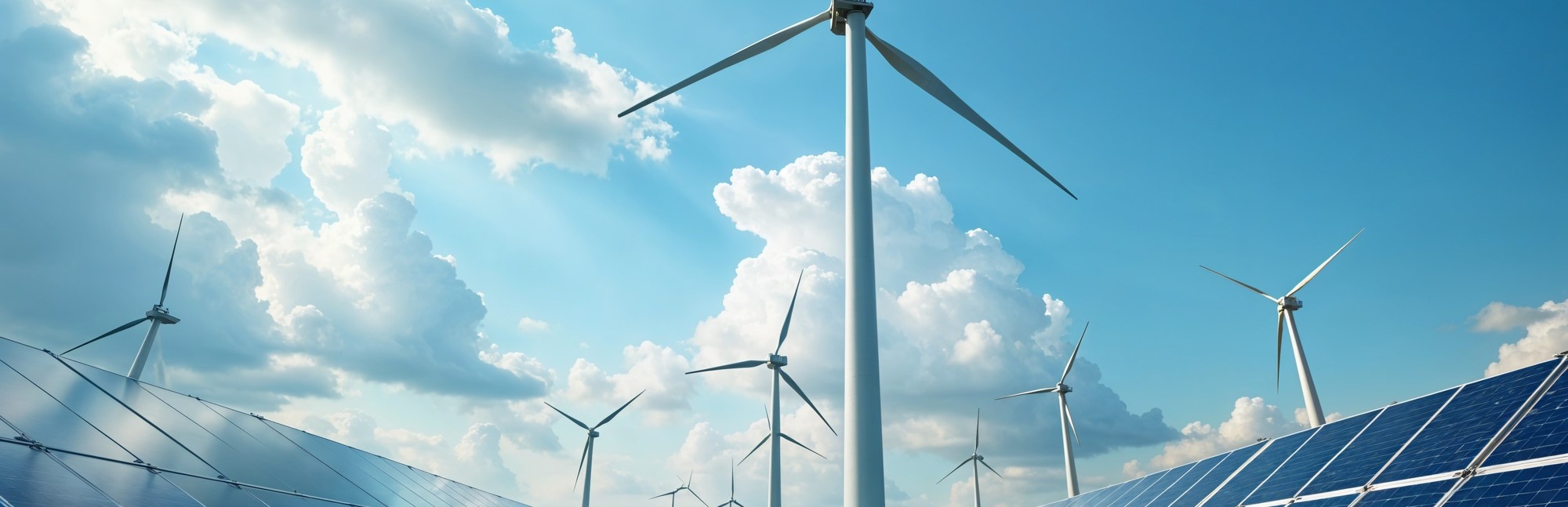
As Pakistan accelerates its transition towards renewable energy, energy storage is emerging as a critical requirement for maintaining a reliable, flexible, and resilient power system. While solar and wind energy are becoming increasingly cost-competitive and widely adopted, their variable nature creates new challenges for grid management and energy security. Energy storage technologies – particularly battery energy storage systems (BESS) – offer a means to bridge this gap by storing electricity when generation is abundant and releasing it when demand is highest, thereby improving system stability and maximizing the value of renewable energy investments.
Pakistan’s recent surge in solar deployment has highlighted both the opportunities and challenges associated with integrating large volumes of renewable energy into the grid. Rapid growth in rooftop solar installations, coupled with increasing interest in distributed energy systems, has created a strong demand for storage solutions among households, businesses, and industrial consumers seeking greater energy reliability and protection from rising electricity costs. Falling global battery prices and improving technology performance have further strengthened the economic case for storage, making battery-backed energy systems increasingly accessible across different market segments.
Beyond distributed applications, energy storage has significant potential to address broader power sector challenges. Storage can help reduce reliance on expensive peak-hour generation, improve grid flexibility, manage fluctuations in renewable energy output, and support frequency regulation and voltage stability. It can also strengthen the business case for renewable energy projects by enabling electricity to be delivered when it is most needed rather than only when it is generated. As Pakistan's power system becomes increasingly decentralized and renewable-heavy, storage will play an essential role in maintaining reliability while reducing dependence on imported fossil fuels.
Despite growing interest, the energy storage sector remains at an early stage of development. Regulatory frameworks are still evolving, investment costs remain a barrier for many users, and utility-scale deployment is limited. Questions around market design, tariff structures, grid integration, and financing mechanisms continue to shape the pace of adoption. At the same time, emerging opportunities linked to electric vehicle charging infrastructure, smart grids, and distributed energy systems are expanding the role that storage can play in Pakistan’s broader energy transition. Looking ahead, energy storage represents more than a supporting technology – it is a strategic asset that can unlock higher shares of renewable energy, enhance energy security, improve grid performance, and accelerate Pakistan’s transition toward a cleaner, more resilient, and future-ready energy system.